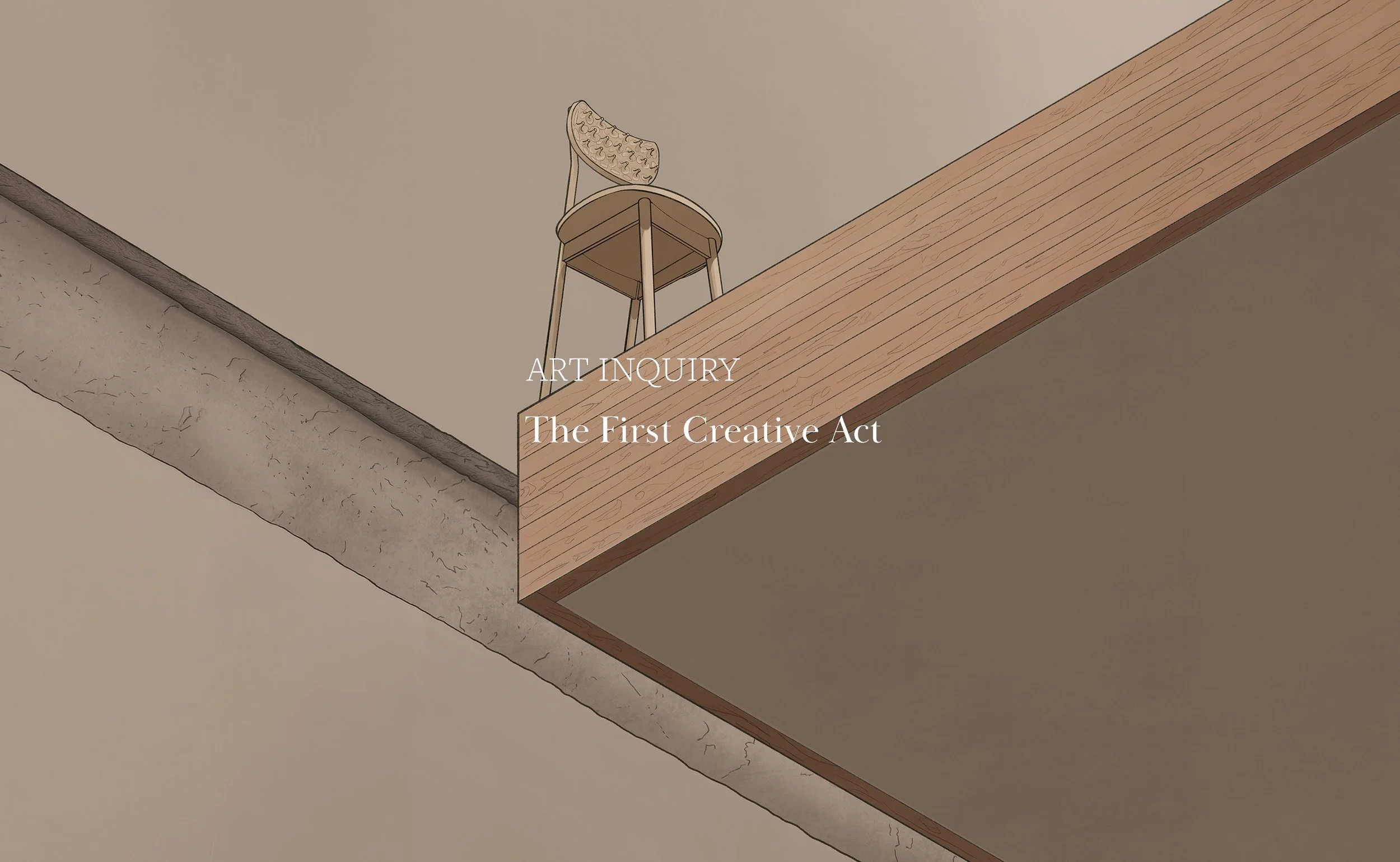
Perception Is the First Creative Act. The central premise: Before we notice, a world is already being framed.
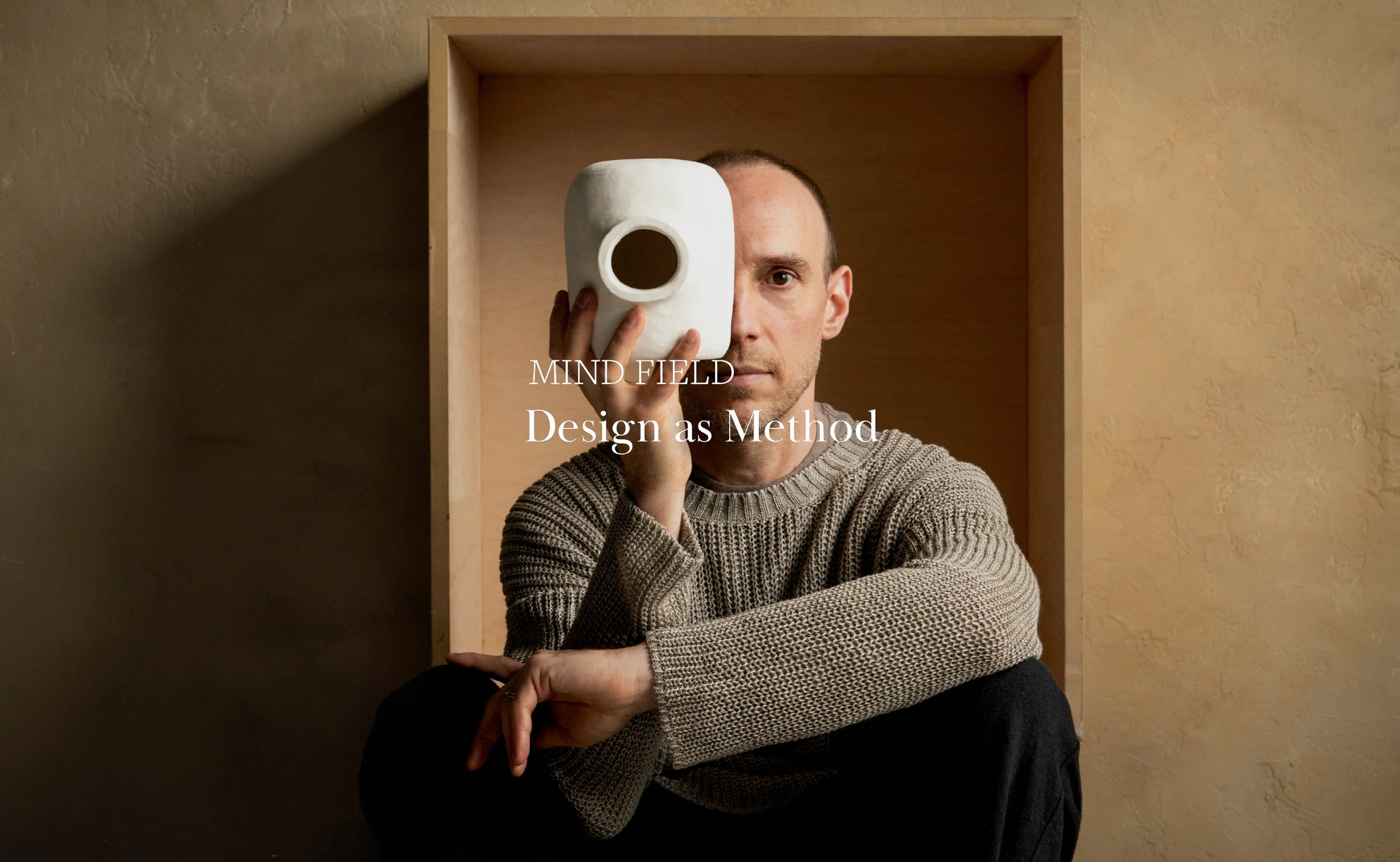
Design as a way of asking questions: turning philosophical premises into forms and lived tests.
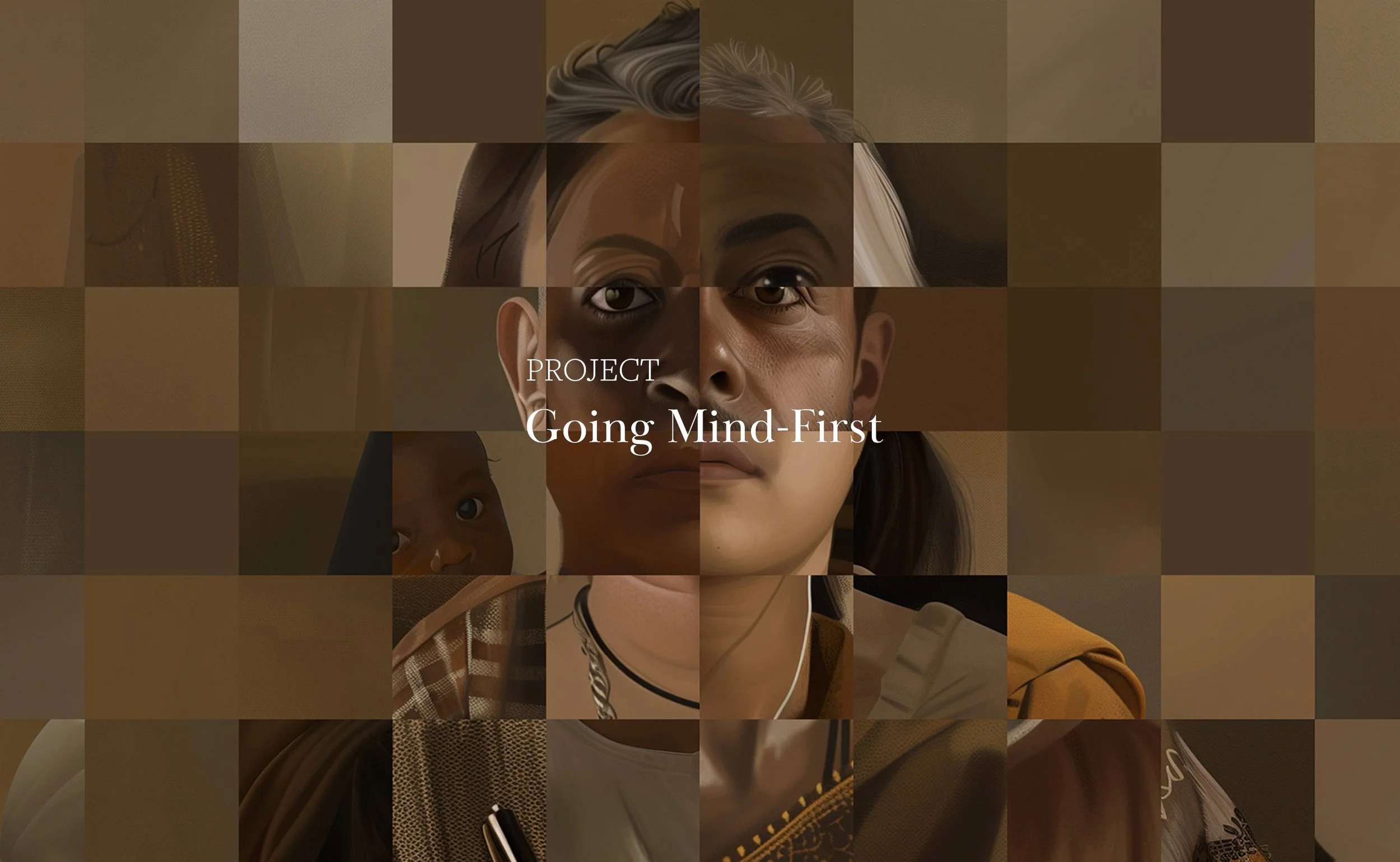
A three-year field experiment testing what changes when consciousness is treated, provisionally, as primary.
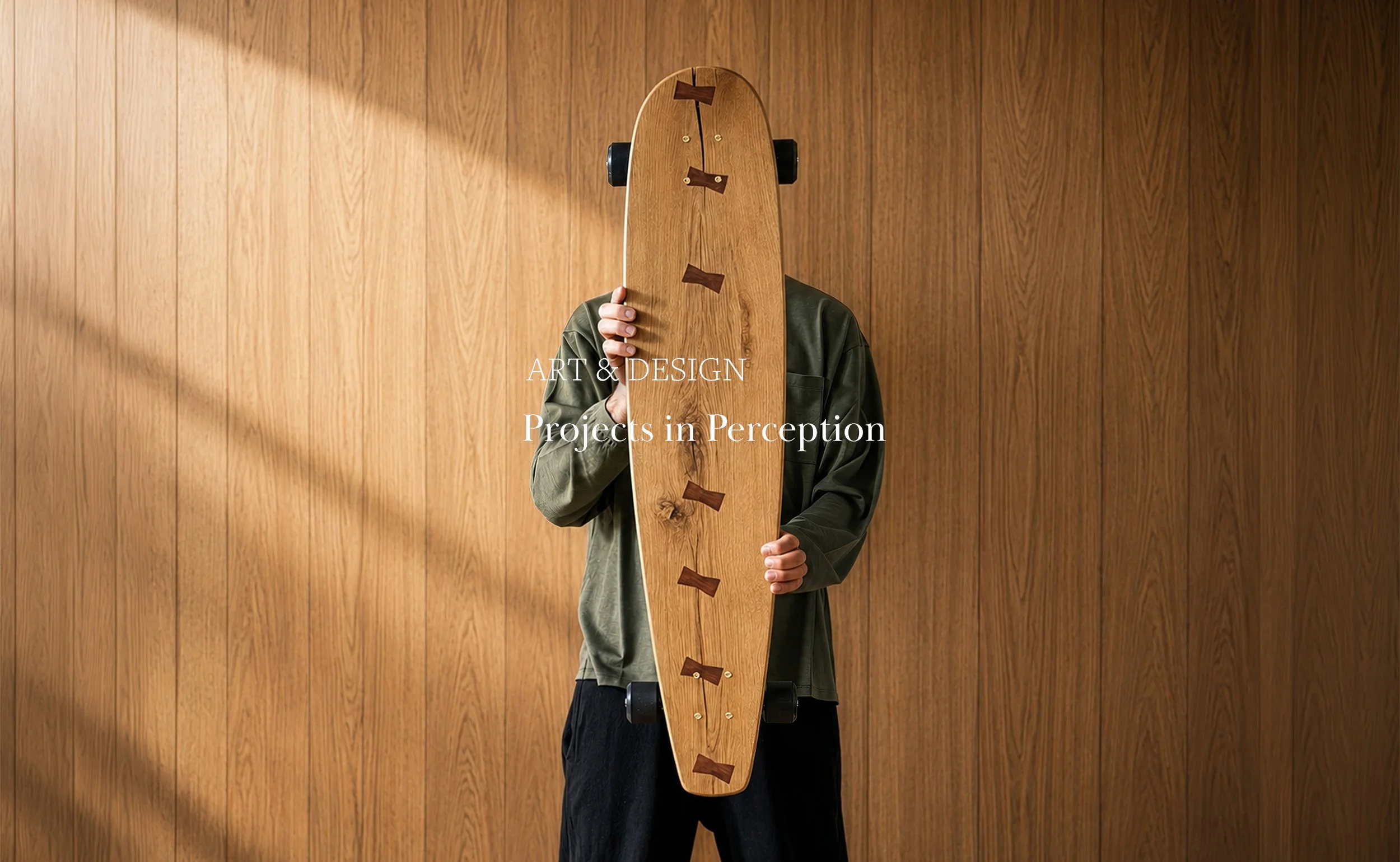
Painted images, repaired objects, speculative forms, and installations that ask the mind to question its first reading.
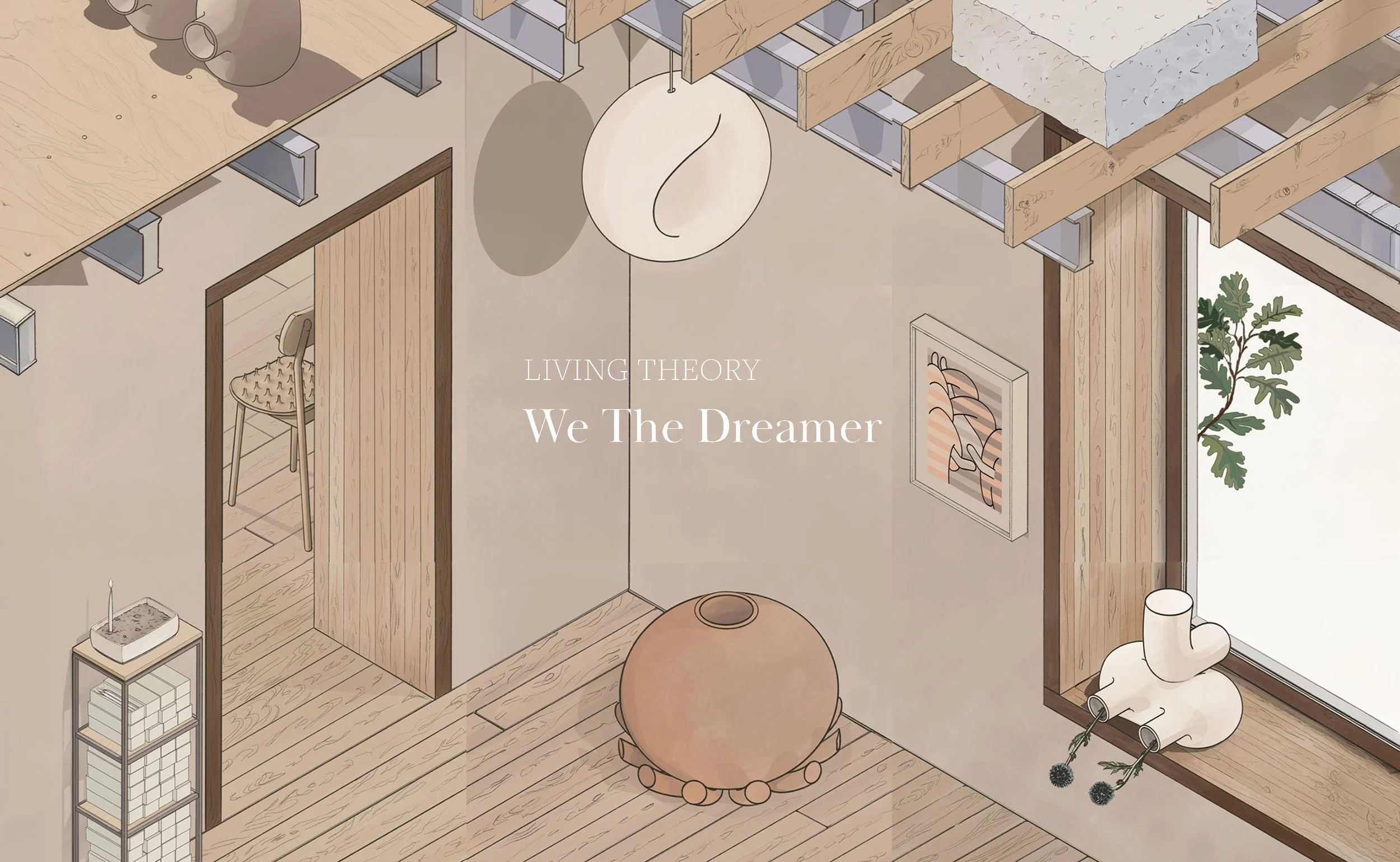
We The Dreamer, a living theory of identity. Test what changes when consciousness comes first.
Perception begins the work. Form carries the question. Art, design, and ordinary life become the field.
Forms of the Inquiry
Self-questioning devices, ordinary witness objects, participatory field projects, and studio design inquiries use form to interrupt first readings. Daily trials extend that process into life, testing how perception shapes creativity, identity, attention, and meaning.
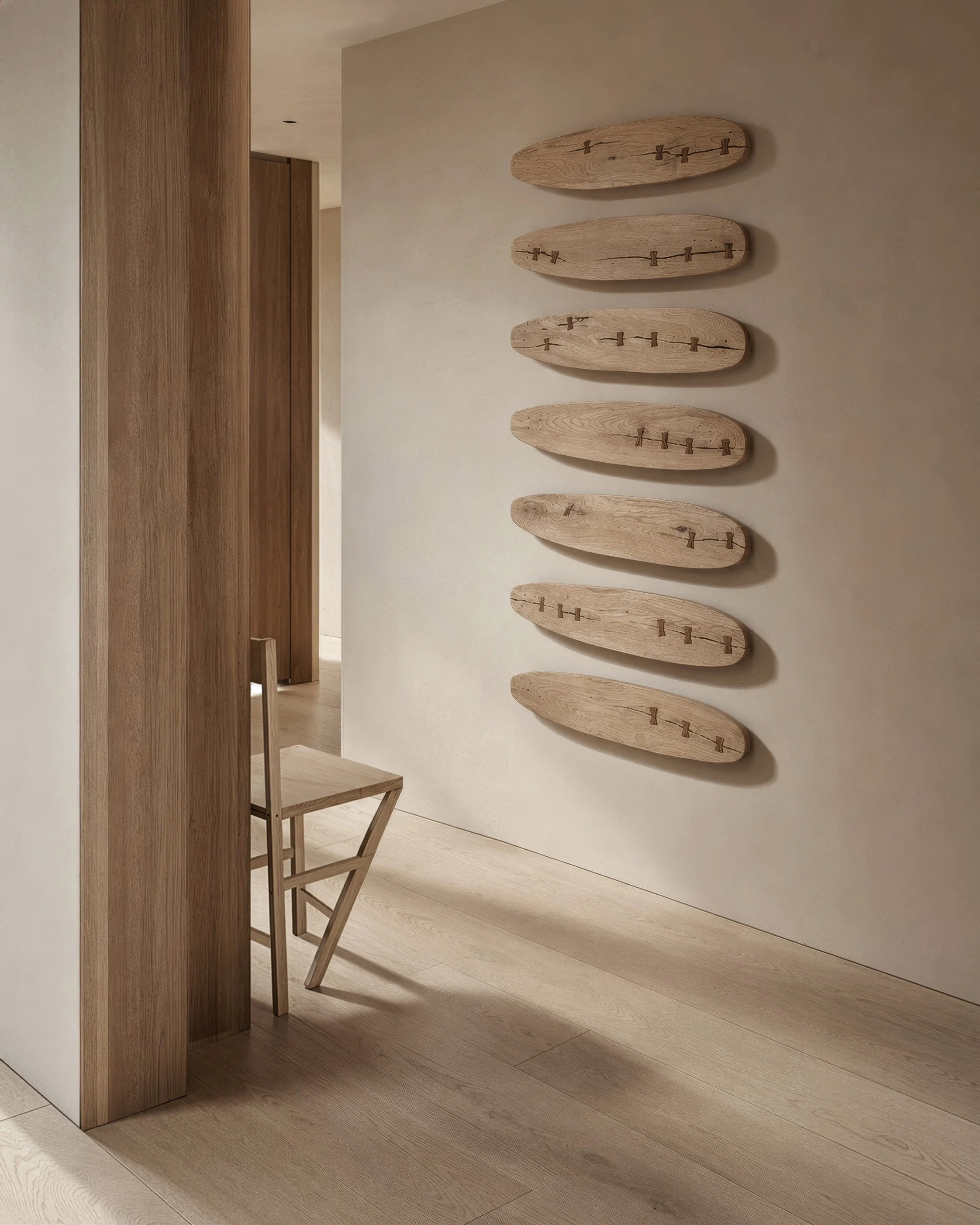
Board Room No.3 — from Continuum of Resilience
Rendered installation study: Martin Lenclos
First Premise
Perception is the first creative act. Before anything becomes fixed, it has already been framed by attention. Change the frame, and meaning begins to shift.
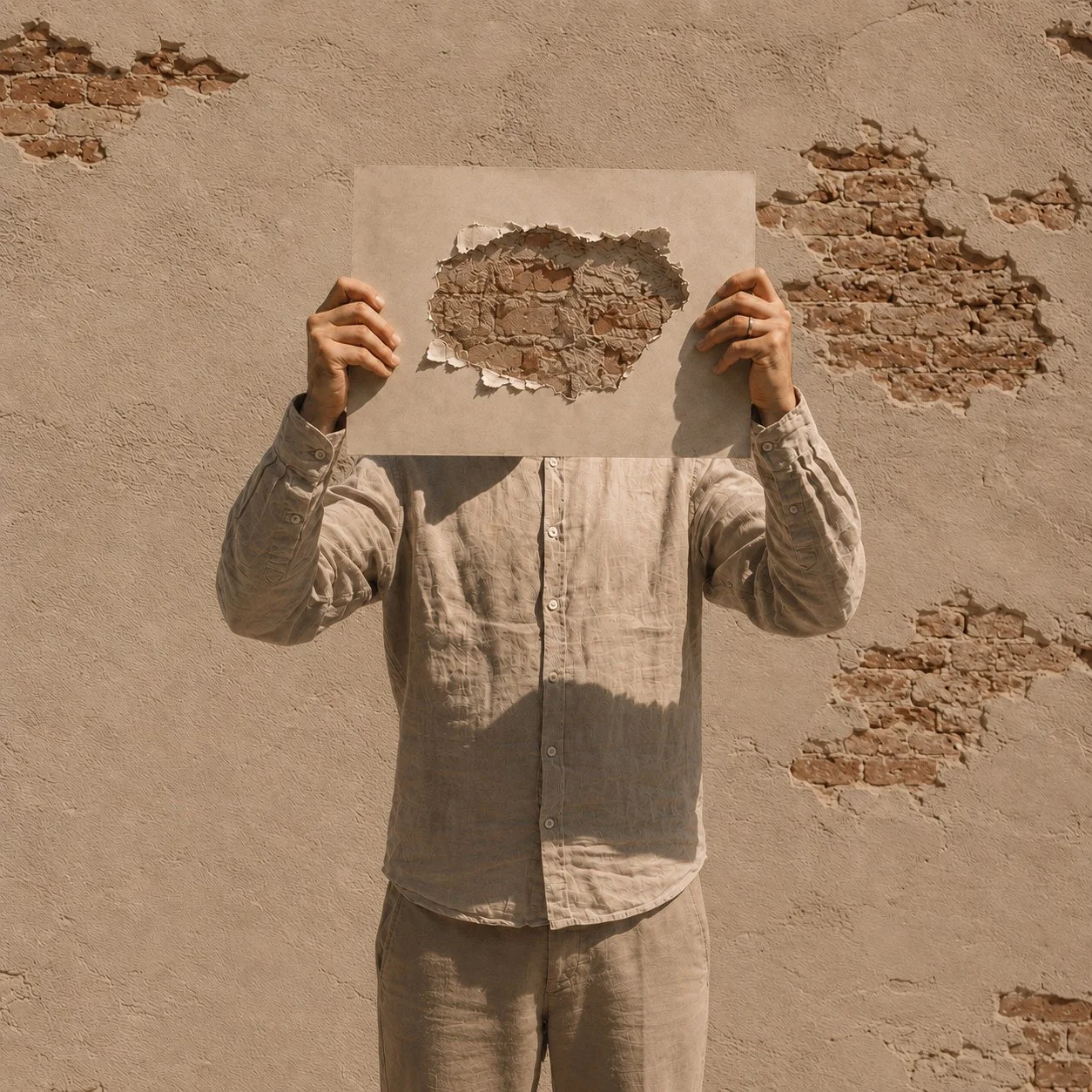
A Hole in the First Reading
Photo-based work: Martin Lenclos
Perception is not only received. It can be interrupted and tested.
Where the Work Happens
L’Enclos works in the space between what happens and what the mind decides it means. That is where perception can be interrupted before the first reading becomes certain.
The inquiry keeps different readings in view
What happened.
What was felt.
What was interpreted.
What was claimed.
One Investigation
Art & Design, The Dreamer Project, We The Dreamer, and the public notes are different expressions of one inquiry into how the first reading of reality is made, interrupted, and revised.
THE DREAMER PROJECTPerception Experiment
A three-year consciousness-first inquiry in daily life.
Martin Lenclos keeps a public experiment log around one working question: what changes in daily life when consciousness is treated, provisionally, as primary? The entries record small, eyes-open trials and track what shifts in attention, choice, and relationship.
Perception becomes the field. L’Enclos keeps the record.
Started Feb. 11, 2026. Explore the experiment →... trials to date
PROJECTS IN PERCEPTIONObjects, images, field tests, and prototypes that interrupt first readings.
Visible traces of Martin Lenclos’s perception experiments: axonometric paintings, chair-shaped failures, emotional spices, repaired skateboards, and other trials.
Nothing here is offered as a product. The work is left as evidence: of tests run, assumptions interrupted, and objects that withhold easy trust, use, or conclusion.
Explore Projects in Perception →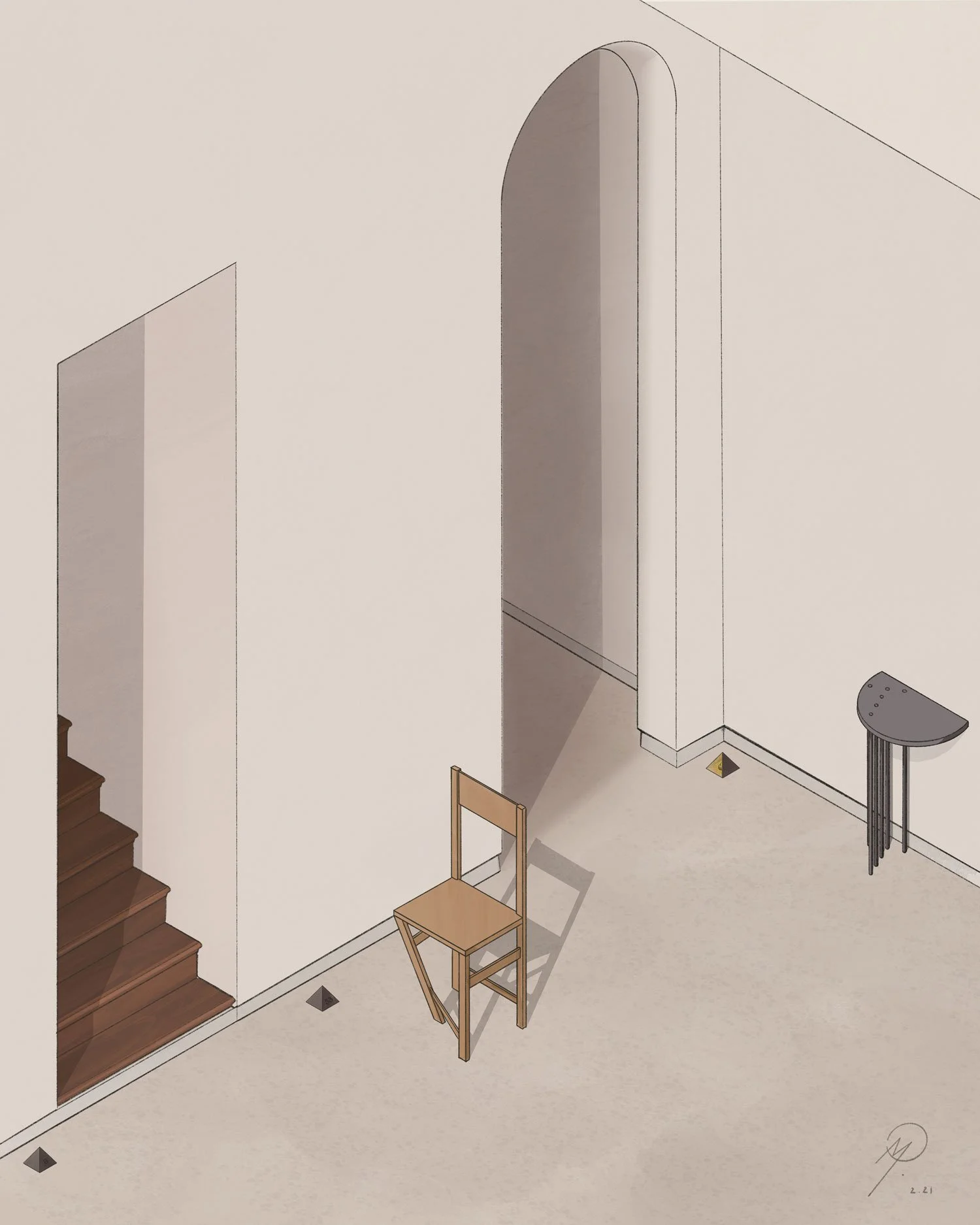
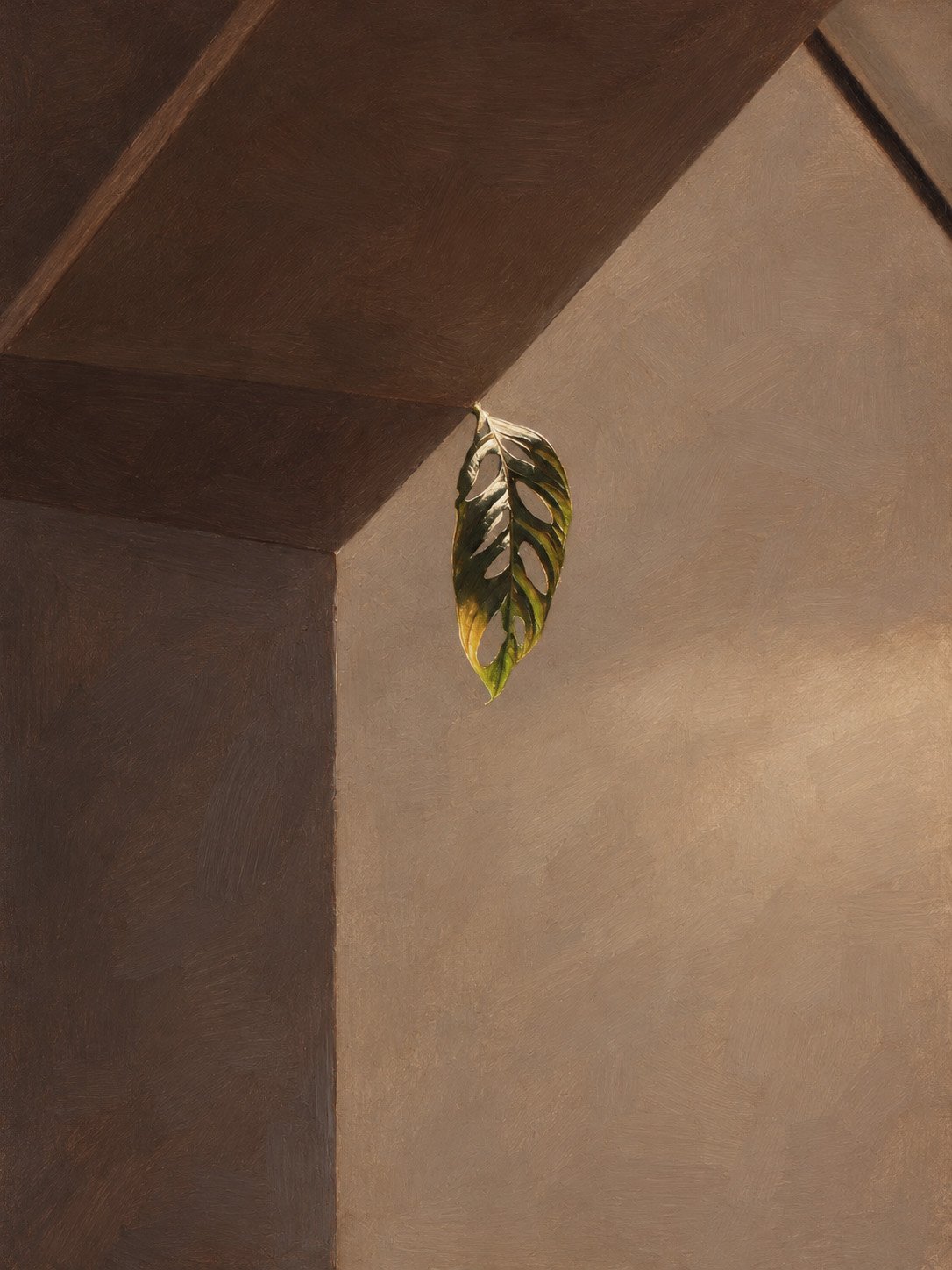
A Choice of Paths from Contours of Impermanence
Painted image: Martin Lenclos
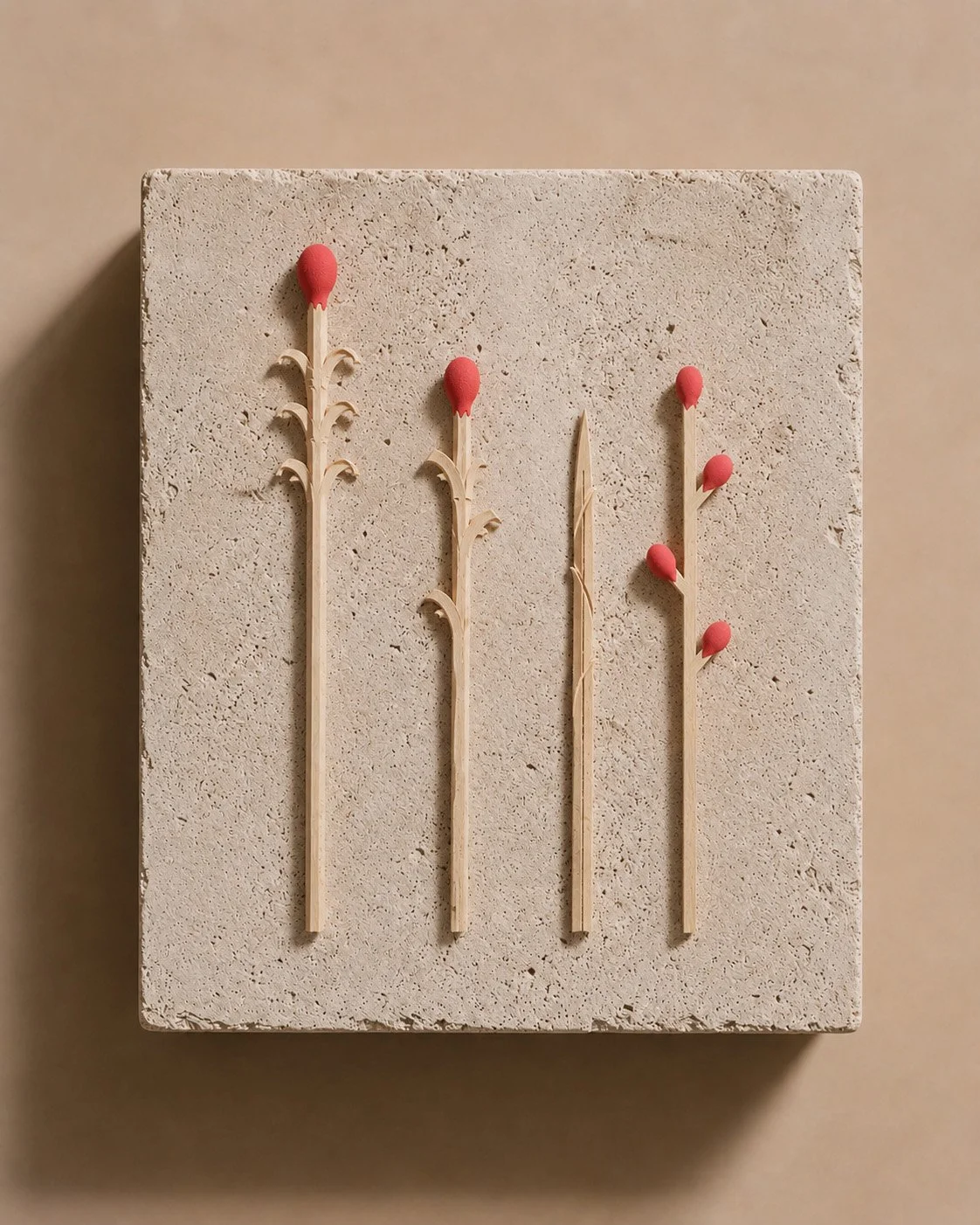
Red Torch Ginger + Cherry Blossom | Razing Fire Matches
Design fiction: Martin Lenclos
Four Ways the Work Interrupts Perception
One works through the object.
One works through the stance.
One works through witness.
One works through the shared field.
OBJECT › SELF-QUESTIONING DEVICEBeyond a Chair:
Sitting With
the Unknown
The Paradox of the Typical Atypical Device was placed where furniture was expected to behave. It looked broken. It was engineered to hold.
The experiment happened in the pause before sitting: hesitation, nervous laughter, partial trust, relief, refusal, curiosity. A chair-shaped question about support, appearance, and the moment before belief becomes certainty.
Enter the field test →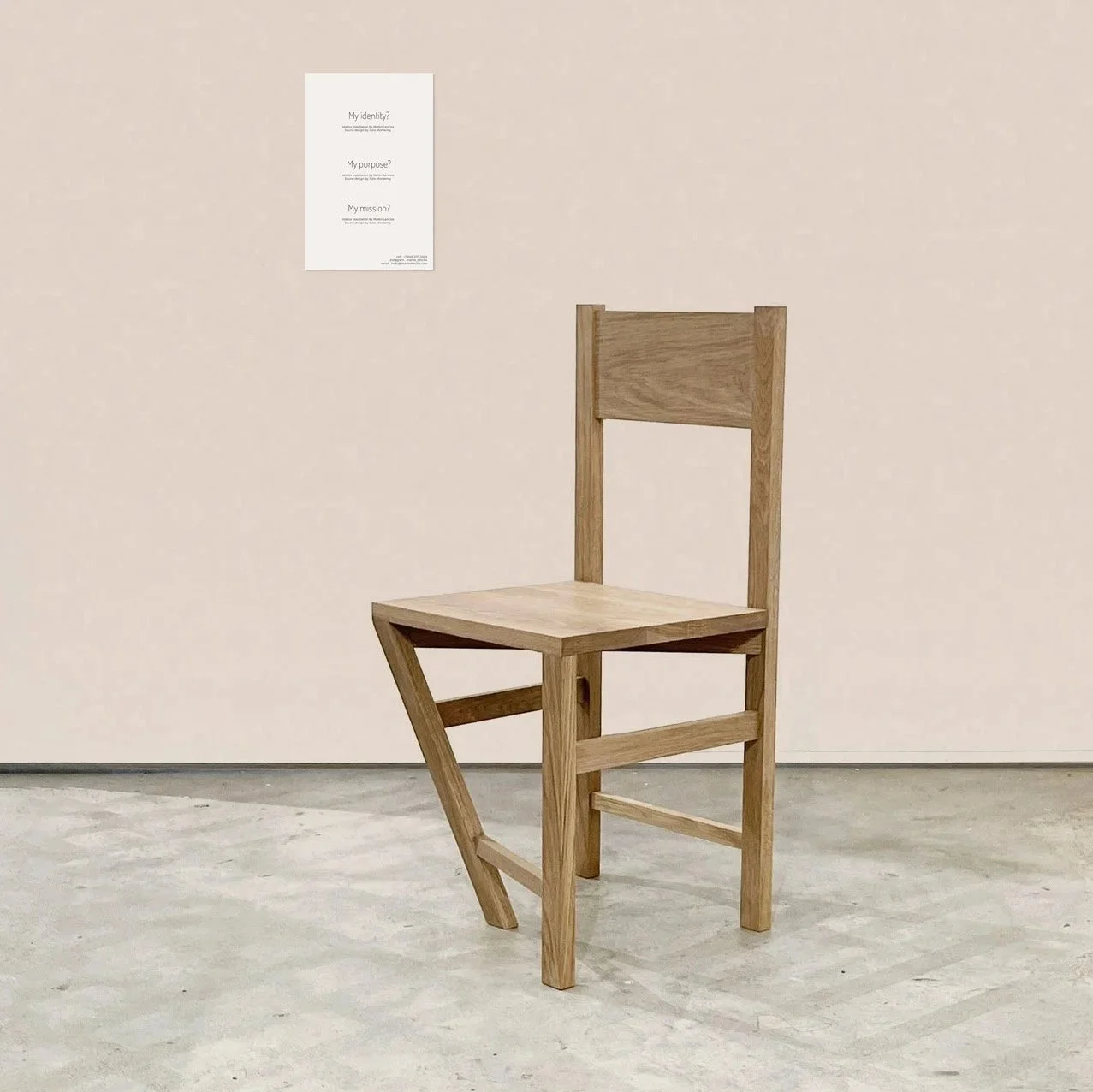
Paradox of the Typical Atypical Device, Usagi Gallery, NYC
Chair prototype: Martin Lenclos
STANCE › DESIGN FOR NOTHING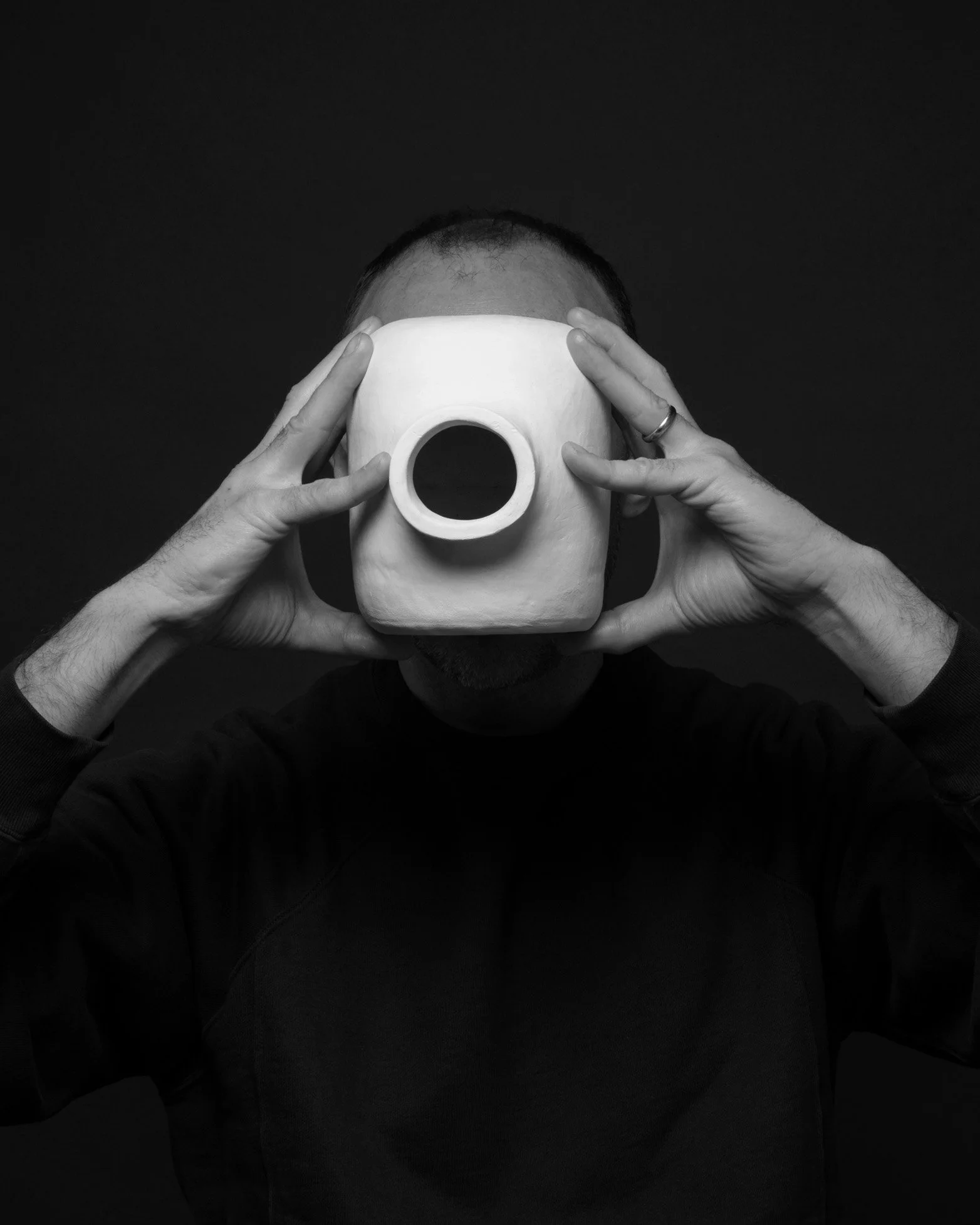
Jacob Vase No. 1 from Jacob Vase
Ceramic vessel: Martin Lenclos
Vessel Study: The Jacob Vase
The Jacob Vase series applies Design for Nothing as a making practice. Utility is suspended to keep a familiar form open: openings shift, close, repeat, or turn away from expected use. Each object remains recognizable as a vessel, but its function hesitates.
Enter the vessel study →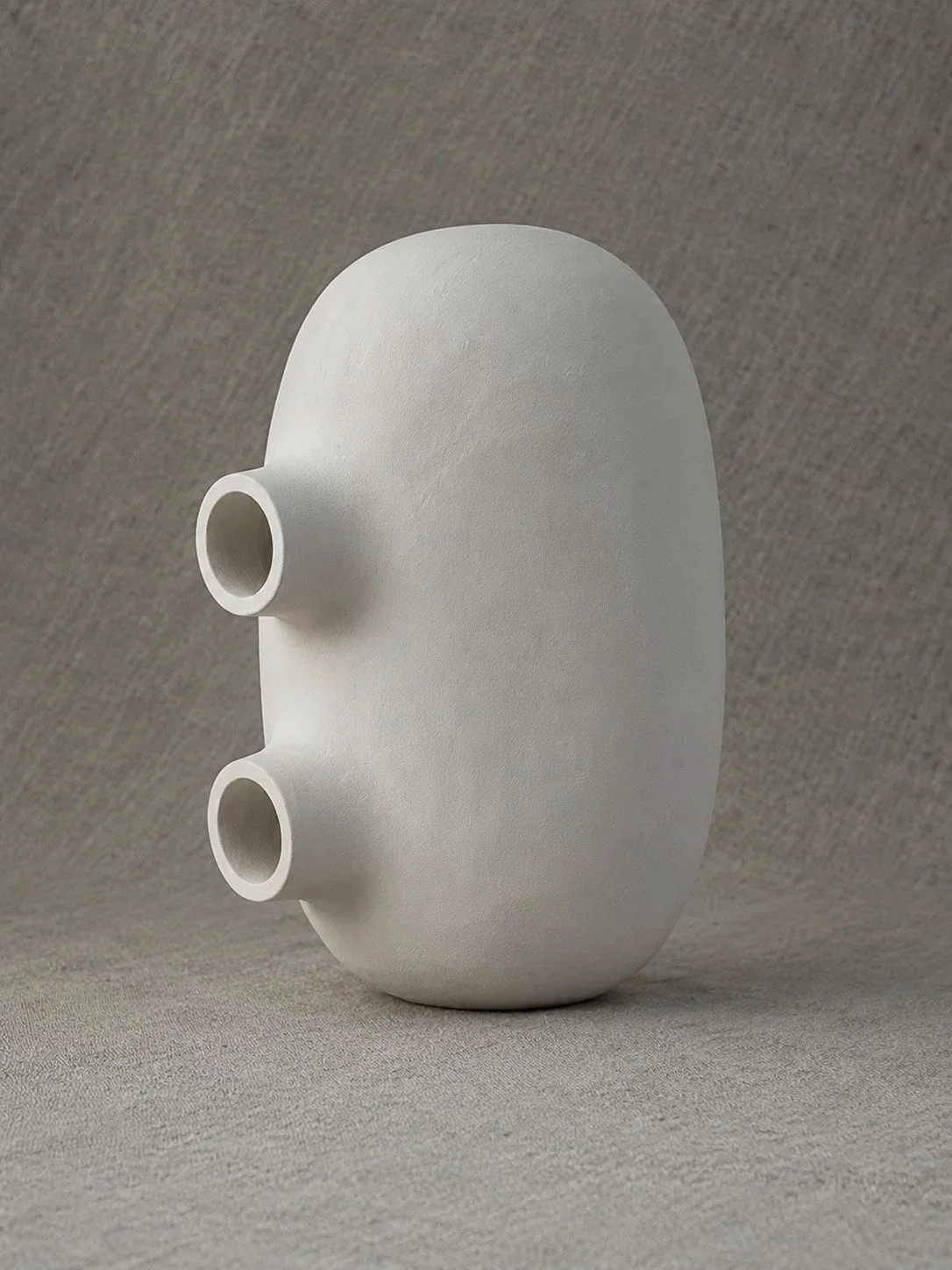
Jacob Vase No. 9 from Jacob Vase
Ceramic vessel: Martin Lenclos
WITNESS › ORDINARY WITNESS OBJECT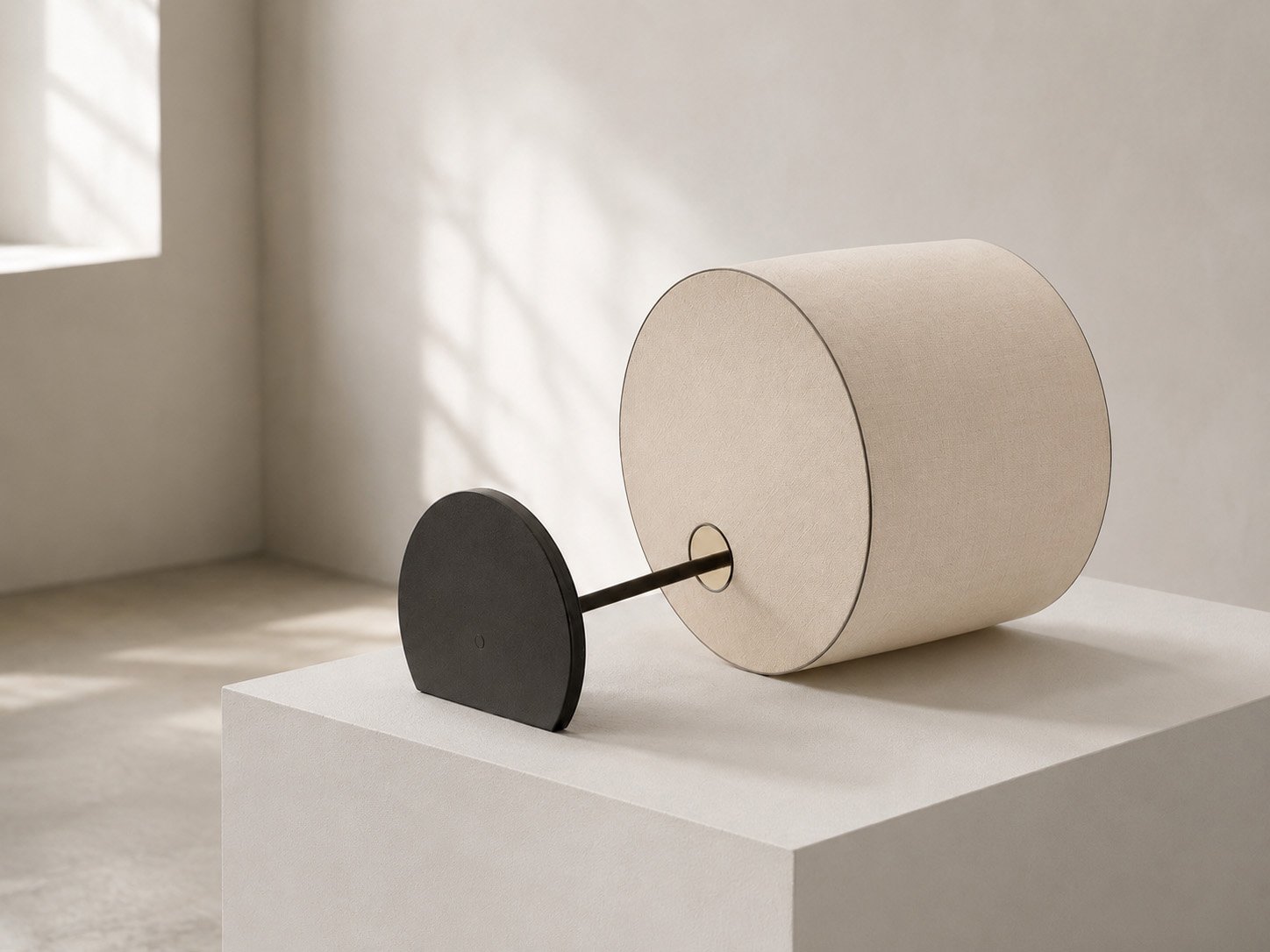
The Fallen Lamp
Rendered design study / lamp — Martin Lenclos
The Fallen Lamp
Is the disturbance in the object, or in what you now know?
At first, it appears as a fallen design object. Then the source enters, and the first reading no longer holds. The lamp becomes a witness: familiar, domestic, unstable, and filled with what the object could not say directly.
Enter the witness study →SHARED FIELD › PARTICIPATORY PERCEPTION STUDY
LeafHead Field Project
Participatory field study / temporary leaf mask
LeafHead Field Project
One leaf becomes many faces. One prompt becomes a collective field.
Begun in 2024, LeafHead is a participatory street video project in which a large leaf is held before the face. Recognition drops, but the voice remains. The natural screen becomes a temporary mask, testing how identity shifts when the face is withheld and perception moves into the shared field.
Enter the field project →WE THE DREAMERA Living Theory of Identity
We The Dreamer is a field test of identity: suppose consciousness comes first, one mind dreaming this world. We may never know for sure, but acting from that premise can already open a kinder way of being here: more solidarity, more peace of mind, more felt oneness.
We live in a world haunted by separation. Choosing to stand as a dreamer, in yourself and in every relationship, is an act of hope for you and for the world. When the moment calls, you can test whether the Dreamer lens opens another way of relating to this reality.
A lens Martin Lenclos is running in real life as part of the Dreamer Project.
Explore the living theory →
See what perception changes.
Occasional notes from Martin Lenclos on design as method, the illusion of identity, and decision-making.
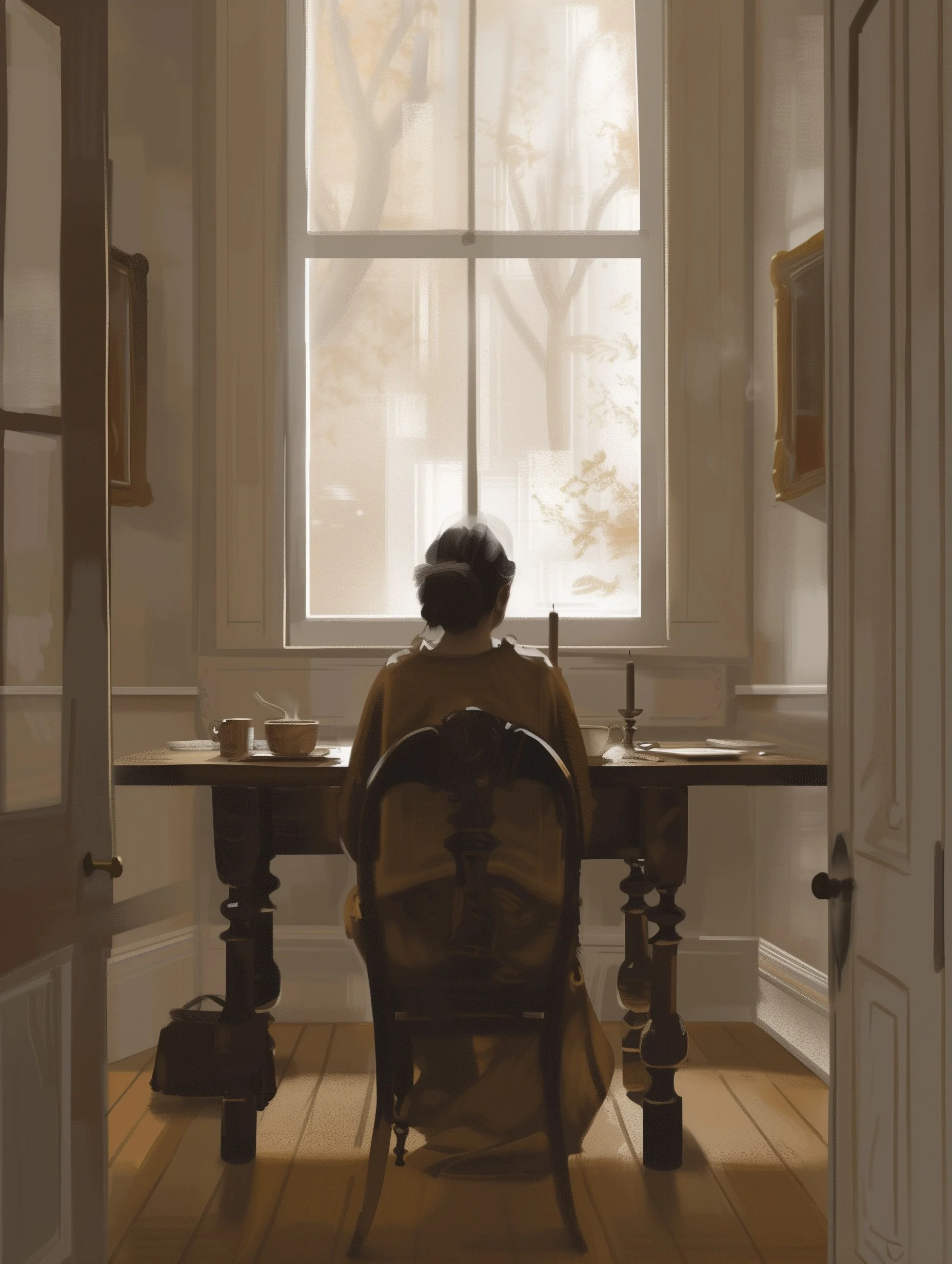
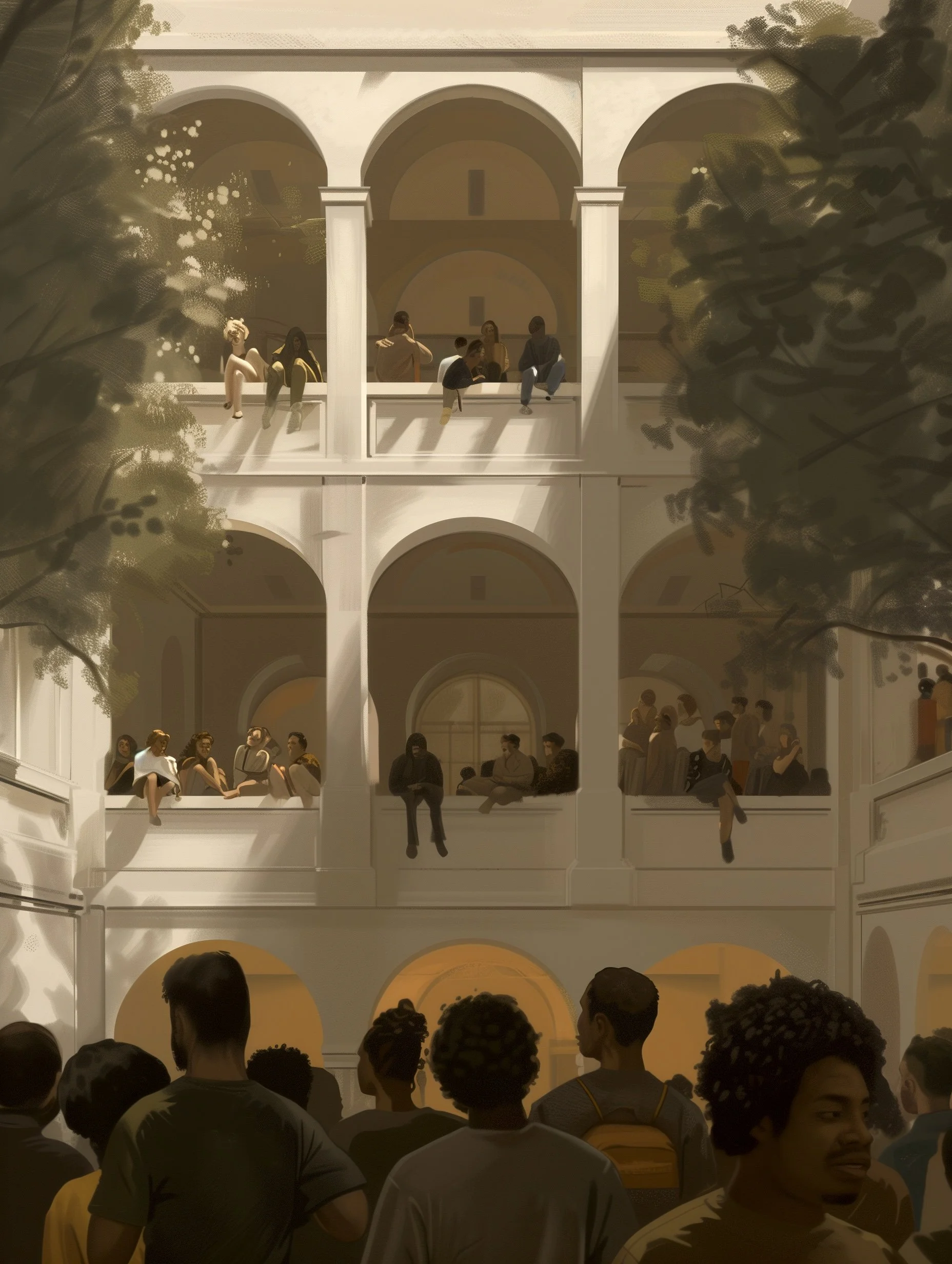

ABOUT L'ENCLOSA Studio-Lab for Perception
L’Enclos is Martin Lenclos’s independent inquiry into perception, form, identity, and the possibility that consciousness may be more central to reality than we usually assume. Through images, prototypes, field notes, and creative experiments, the work tests how a shift in perception can change what a moment becomes.
It does not offer answers, products, or a closed system. It leaves traces of an experiment: how the mind frames experience, how meaning attaches to form, and what begins to loosen when the first reading is not treated as final.
Learn more →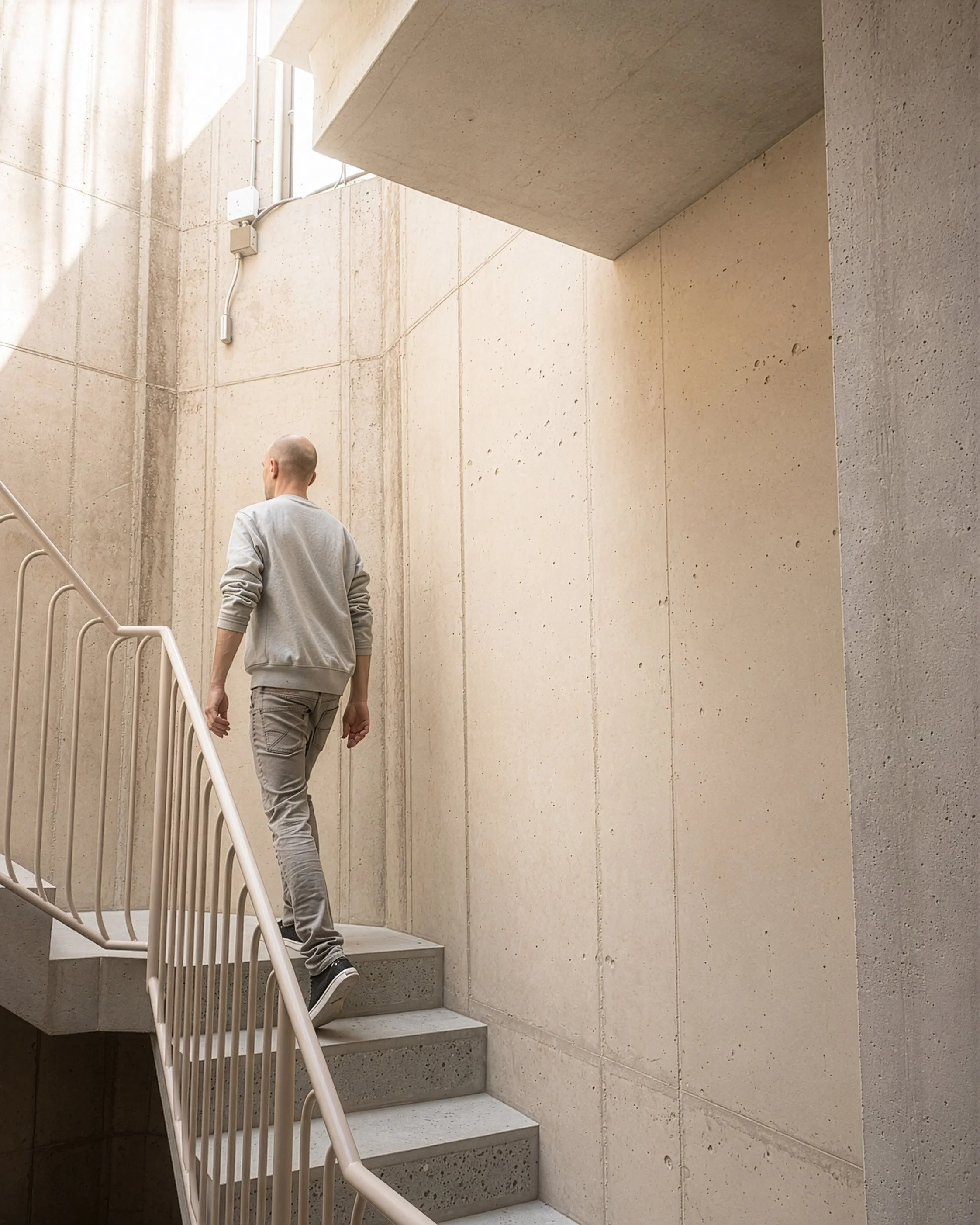
First Dream Interest List.
No program yet. Just a signal.
First Dream is a small, secular experiment in perception: a way to test whether a shift in how a scene is held can change the next gesture, sentence, or repair. Most of the work currently lives as practices, field notes, and public experiments. If it later becomes walks, salons, or small rooms for testing perception together, this is where I’ll let people know.